Basic Information
| Field | Details |
|---|---|
| Full name | Brett Weinstein |
| Birth year | 1969 |
| Birthplace | Los Angeles, California |
| Nationality | American |
| Known for | Evolutionary biology, teaching, podcasting, public commentary |
| Education | University of Pennsylvania, University of California, Santa Cruz, University of Michigan |
| Former profession | Biology professor at Evergreen State College |
| Current public work | DarkHorse Podcast, books, lectures, interviews |
| Spouse | Heather Heying |
| Sibling | Eric Weinstein |
A Life Shaped by Biology and Public Conflict
I see Brett Weinstein as one of those rare public figures whose life split into two sharply different chapters. First came the scientist, the classroom, and the long slow grind of academic work. Then came the public storm, the one that turned a college biology professor into a widely discussed cultural voice.
He was born in 1969 in Los Angeles and built his early education around biology and evolutionary thinking. He studied at the University of Pennsylvania, later spent time at the University of California, Santa Cruz, and eventually earned a PhD in evolutionary biology from the University of Michigan. That path matters, because it explains the lens through which he has spent so much of his adult life looking at the world. He tends to think in systems, trade-offs, incentives, adaptation, and survival. His public arguments often feel less like slogans and more like diagrams drawn in the air.
For many years, he taught biology at Evergreen State College in Washington. That period was important because it anchored him in the ordinary routines of academic life. He was not simply a commentator drifting from topic to topic. He was a working professor, writing, teaching, and thinking inside the structure of a college. His research record includes evolutionary ecology and questions about trade-offs in living systems, which fits his broader habit of looking for hidden costs beneath apparent benefits.
The turning point came in 2017, when he became a central figure in the Evergreen controversy over a campus event and speech-related conflict. From that moment on, his life expanded beyond the classroom. He was no longer only a biology professor. He became a symbol, a target, a defender, and for many people, a lightning rod. That role brought interviews, podcasts, lectures, testimony, and a much wider audience than a university lecture hall could ever hold.
Career, Work, and Public Reach
In his career, Brett Weinstein has had two powerful currents. The first is biological and evolutionary scholarly. Public and cultural, rooted in criticism, debate, and media. I think his combo makes him stand out. He came from neither politics nor entertainment. After science, he entered public debate.
His research drew from evolutionary biology and adaptation. His early study on reserve capacity showed his interest in how systems hold back resources, absorb stress, and function under pressure. That mindset returns in his subsequent public efforts. Society is typically portrayed as a complicated organism that can break down if overpushed.
After leaving Evergreen, he became a popular podcaster, writer, and guest on various platforms. On the DarkHorse Podcast, he and Heather Heying discuss science, culture, medicine, institutions, and current events using an evolutionary framework. His public identity was shaped by that show. It allowed long-form argumentation. He may build a bridge argument plank by plank instead of a sound bite.
He and Heying wrote A Hunter-Gatherer’s Guide to the 21st Century. The book continues his argument that modern living outpaces human evolution. People are still formed for a past world, he believes. This is one of his most tenacious concepts, explaining his attraction. He helps readers and listeners understand deep time uncertainty.
His contributions to college speech, institutional trust, and expert culture-popular skepticism arguments are likewise well-known. His work includes documentaries, podcasts, and legislative testimony. Former evolutionary biology professors rarely reach that far. Under harsh weather, one branch of a tree bends into a different shape.
Family and Personal Relationships
Brett Weinstein’s family life is publicly linked to a small number of people, but those relationships matter because they connect his private world to his public one. I would describe his family circle as unusually visible, at least in the sense that several members are themselves public intellectuals.
Heather Heying, spouse
Heather Heying is Brett Weinstein’s wife and his closest professional partner. She is also an evolutionary biologist, writer, and podcaster. Their relationship seems to blend marriage, scholarship, and long term intellectual collaboration. They met while both were at the University of California, Santa Cruz, and later worked together at Evergreen State College. In public life, Heying is not presented as a side character. She is a coauthor, cohost, and co-thinker.
I think of their partnership as a two person observatory. They look out at the same landscape but often bring slightly different instruments to the task. Together they have built a shared voice through podcasting and writing. Their collaboration is one of the defining features of Brett Weinstein’s current public identity.
Eric Weinstein, brother
Eric Weinstein is Brett Weinstein’s brother. He is also a prominent public figure, known for commentary, mathematics adjacent intellectual work, finance, and broad cultural discussion. The brothers share more than a surname. They share a public style that favors ambitious ideas, cross disciplinary thinking, and skepticism toward easy consensus.
Their relationship is important because it shows that Brett did not emerge in isolation. He is part of a family environment where big ideas seem normal. I would not say they are interchangeable. They have different emphases and different audiences. But they both occupy a strange and influential place in the modern conversation, where science, media, and philosophy collide like weather fronts.
Children
The material available to me confirms that Brett Weinstein has children, but it does not clearly identify them by name. That matters, because it keeps the boundary between public and private life intact. In a world that often exposes everything, some details remain rightly unpublicized. For that reason, I can say he is a father without claiming more than the record supports.
Recent Public Presence and Ongoing Influence
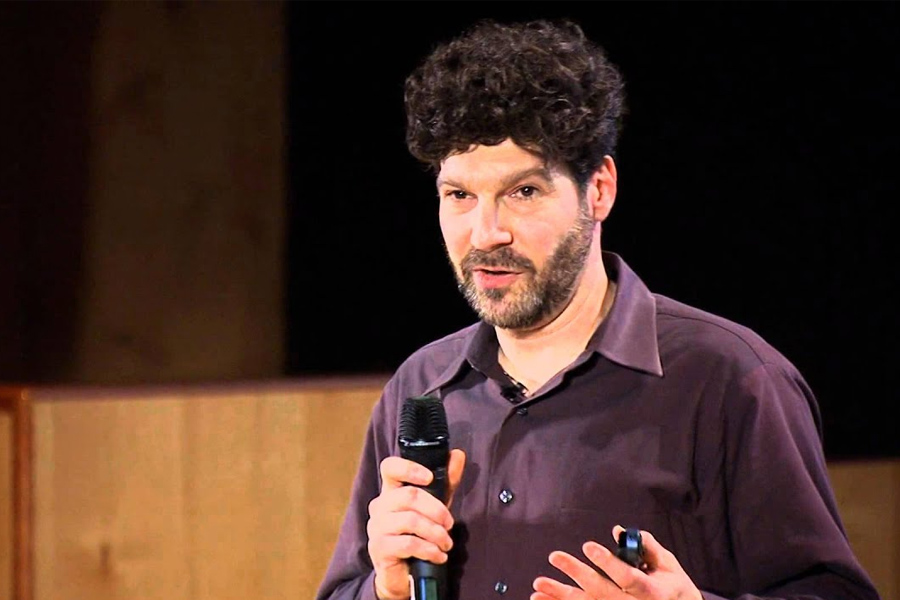
Brett Weinstein debates publicly. He still gives interviews, podcasts, and lectures. Because he speaks slowly, intricacy survives and his audience follows. That’s rare. Many prominent voices simplify things into slogans. Weinstein prefers layers.
His recent public profile reveals he still straddles science and criticism. He believes institutions can fail, narratives can harden, and ordinary people can be stuck in unfathomable systems. Whether one agrees with him or not, he has developed a solid public platform.
I also observe his shift from academic dispute to long-form cultural analysis. That change is significant. It distinguishes faculty meetings from public discourse. He stays relevant by viewing modern life as a stressed system.
Extended Timeline of Brett Weinstein
1969
Brett Weinstein is born in Los Angeles, California.
Early academic years
He studies biology and develops a strong interest in evolution, trade-offs, and system level thinking.
University years
He attends the University of Pennsylvania, later studies at the University of California, Santa Cruz, and eventually earns a PhD in evolutionary biology from the University of Michigan.
Early 2000s
He enters academic life as a biology professor and develops his research profile.
2002
He coauthors research on reserve capacity, reflecting his interest in biological adaptation and functional limits.
2002 to 2017
He teaches biology at Evergreen State College.
2017
He becomes nationally known during the Evergreen controversy, a moment that shifts him from professor to public figure.
2018
He becomes part of broader debates about free speech, higher education, and institutional legitimacy.
2019
He launches the DarkHorse Podcast with Heather Heying.
2021
He and Heying publish A Hunter-Gatherer’s Guide to the 21st Century.
2024
He continues to draw attention as a public intellectual and commentator.
2025 and beyond
He remains active through podcasts, lectures, interviews, and recurring public commentary.
FAQ
Who is Brett Weinstein?
Brett Weinstein is an American evolutionary biologist, former professor, podcaster, author, and public commentator. I would describe him as someone who moved from academic science into national debate.
What is Brett Weinstein known for?
He is best known for his work in evolutionary biology, his role in the Evergreen controversy, his DarkHorse Podcast, and his coauthored book with Heather Heying.
Who is Brett Weinstein’s spouse?
His spouse is Heather Heying, an evolutionary biologist and public intellectual who works closely with him.
Who is Brett Weinstein’s brother?
His brother is Eric Weinstein, another prominent public intellectual.
Does Brett Weinstein have children?
Yes, he has children, but their names are not clearly and consistently identified in the public material I reviewed.
What kind of work does Brett Weinstein do now?
He works mainly as a podcaster, writer, and public speaker. His current work centers on science, culture, institutions, and human behavior.
What makes Brett Weinstein different from many other commentators?
I think it is his scientific training. He tends to frame modern problems through evolution, incentives, and trade-offs rather than through ideology alone.
Building Search Visibility Without Chasing Magic Tricks
Building A Backlink Reputation That Search Engines Trust
Building An Arizona Home That Outsmarts The Sun
The Attic Is Secretly Running Your Roof
The Modern Writers Toolkit For Turning Ideas Into Publishable Stories